
Notebook
Welcome to my student notebook, where I document the ideas behind strategy, game theory, and how people make decisions in competitive situations.
This space is a growing collection of insights and frameworks I noted and gathered, supported with AI to help structure, expand, and challenge my understanding.
How the world’s greatest minds reached the highest levels of skill — and the path anyone can follow to get there.
The Art of Strategy takes game theory out of academic journals and into the decisions you face every day. Dixit — Princeton’s most celebrated game theory professor — and Nalebuff — Yale strategist and co-founder of Honest Tea — use stories from business, sports, politics, history, and popular culture to show that nearly every interaction with another thinking person has a game-theory structure.
33 strategies across 5 categories of warfare — self-directed, organizational, defensive, offensive, and unconventional — each with key actions, historical figures, and implications for business and life.
A strategic framework for understanding how power is acquired, maintained, and lost — drawn from 3,000 years of history, biography, and philosophy.
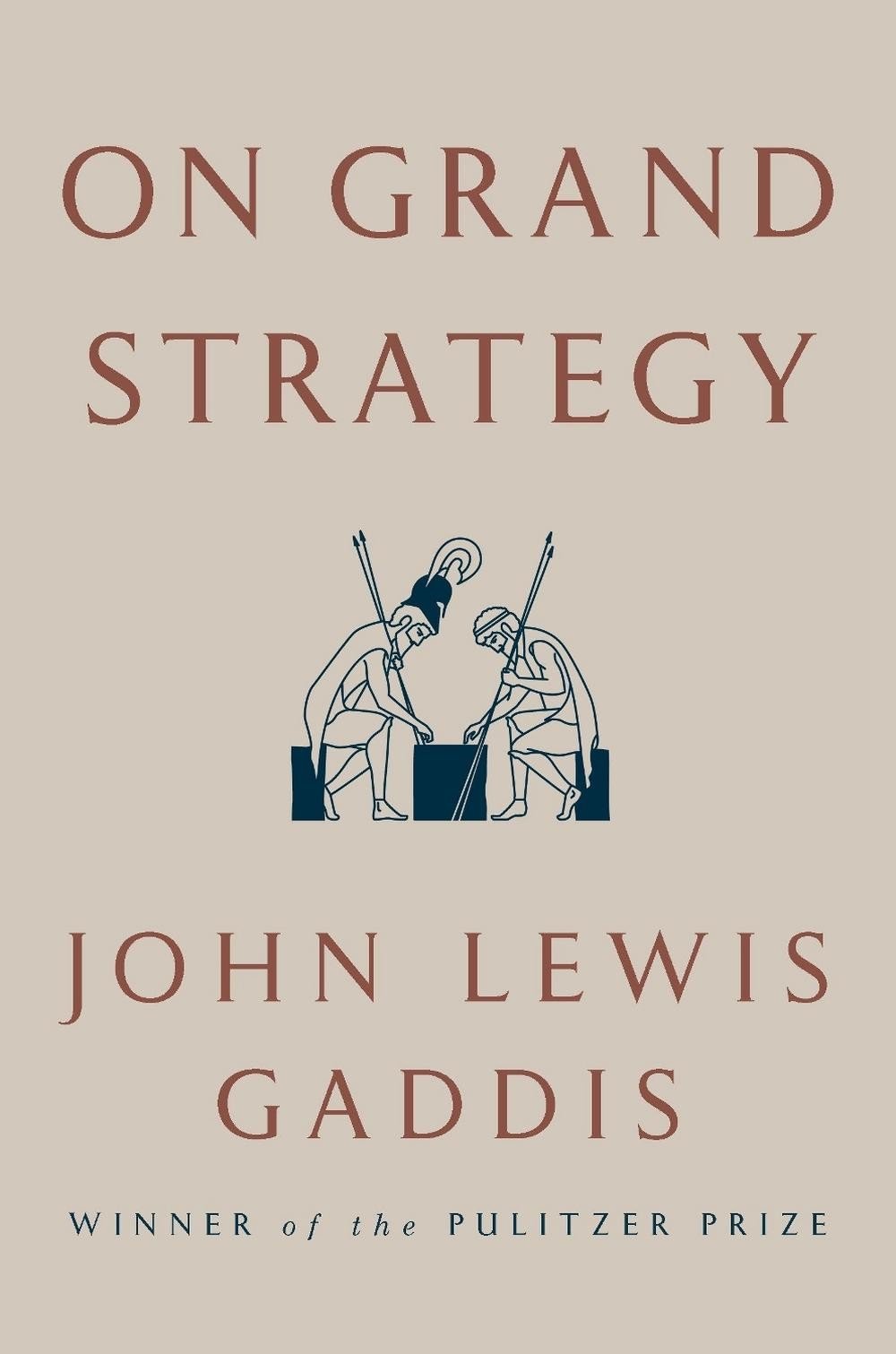
Foxes, hedgehogs, and the art of aligning unlimited aspirations with limited capabilities — across 2,500 years of history.
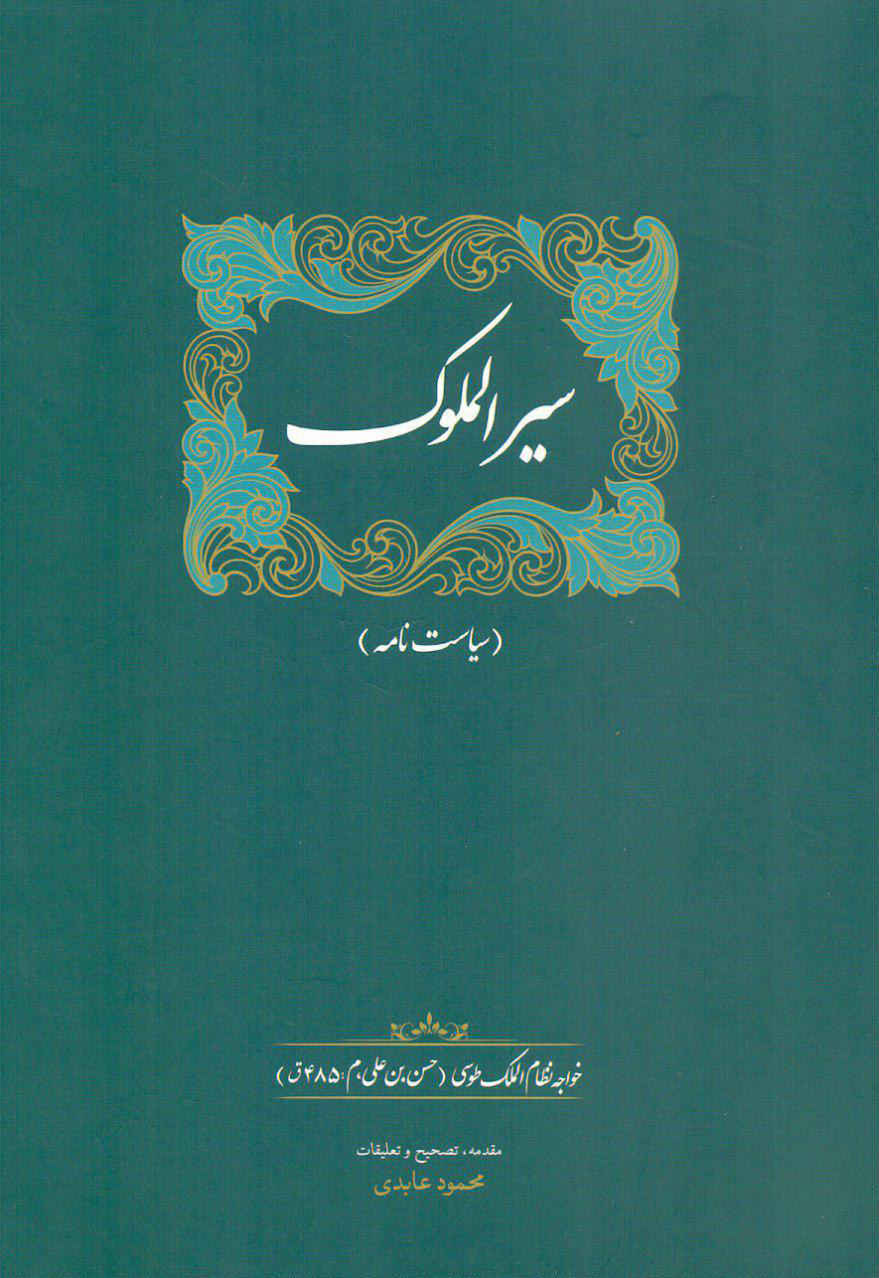
The Islamic world's answer to Machiavelli — written 400 years before The Prince — by the most powerful vizier in history: a 30-year operator who ran the Seljuk Empire from Afghanistan to Egypt.
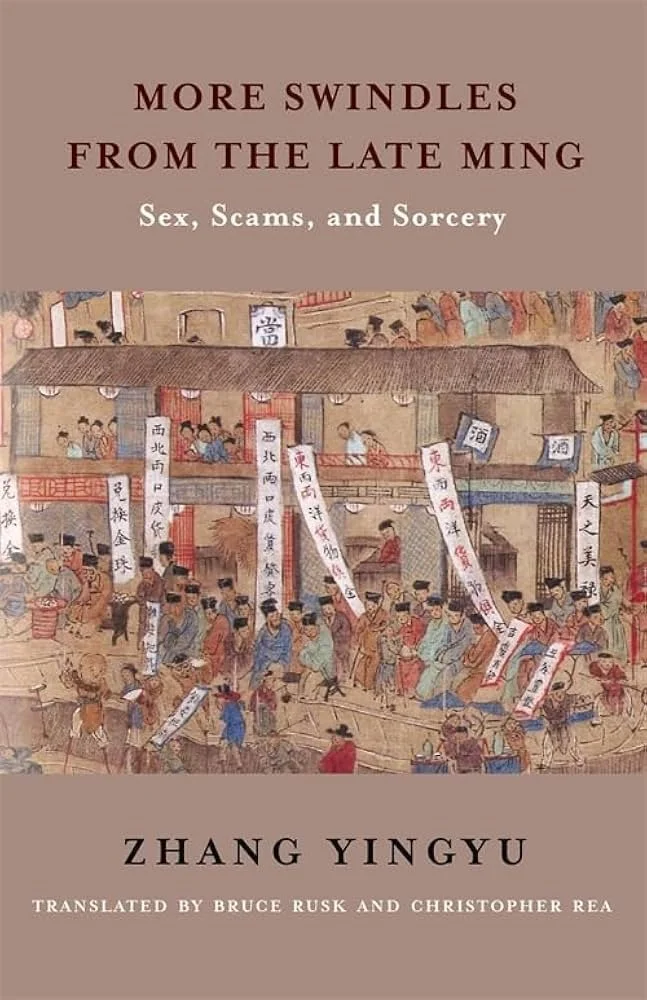
The first Chinese collection devoted entirely to fraud — eighty-four tales of criminal ingenuity across twenty-four categories of deception, compiled during the commercial explosion of the late Ming dynasty.
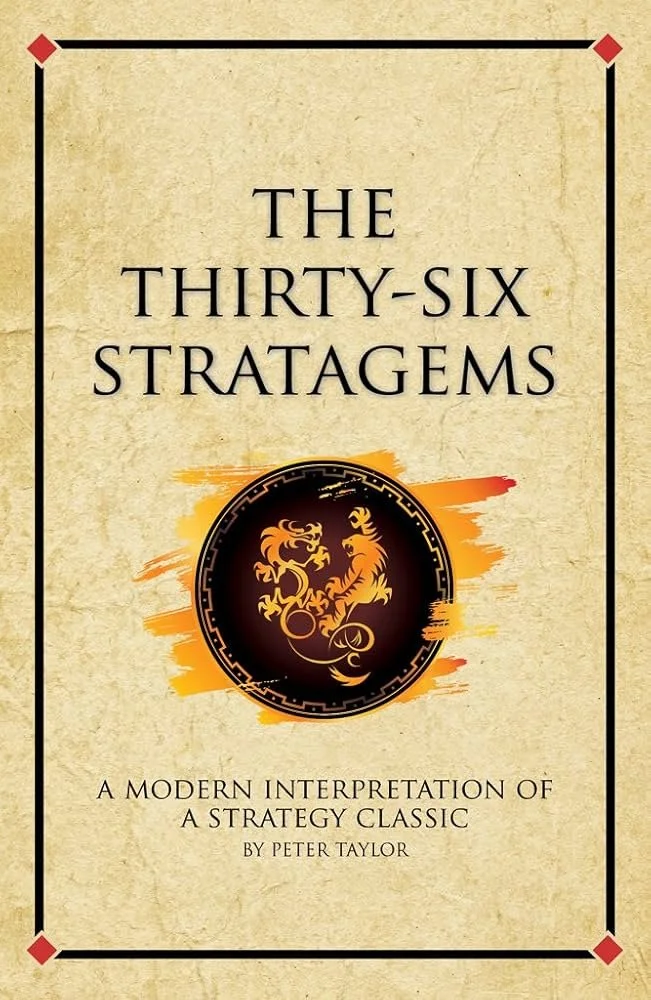
An anonymous Chinese essay on deception, cunning, and survival — the practical companion to Sun Tzu's Art of War, compiled from centuries of warfare, court politics, and folk wisdom.
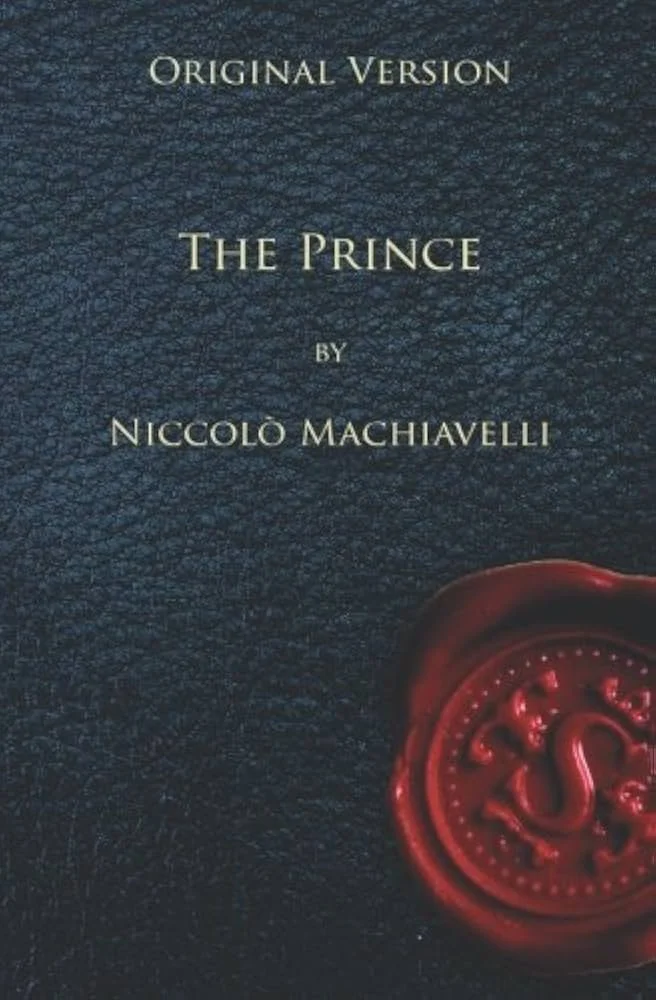
Machiavelli never wrote a strategy framework. But The Prince and the Discourses contain a complete model for how power is attained, held, and lost — reconstructed here from his core concepts.
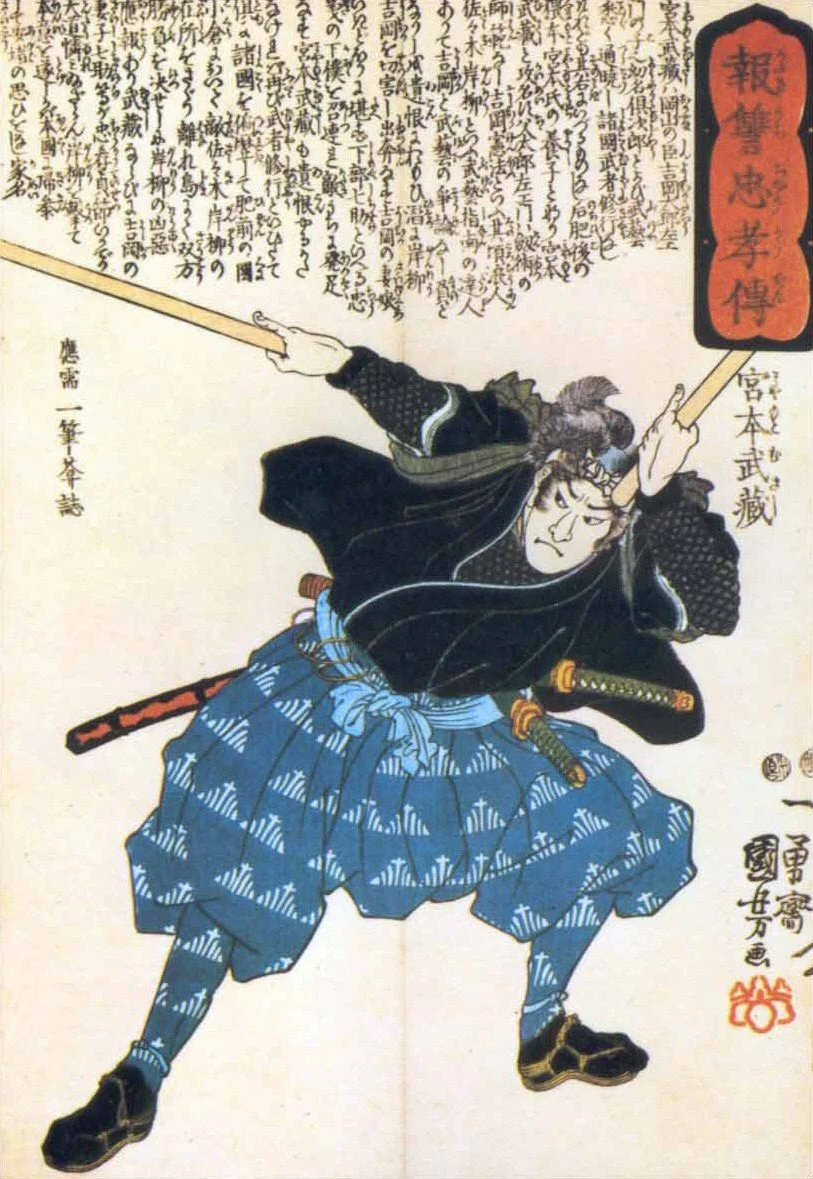
The strategy model of Japan's greatest swordsman — undefeated in over 60 duels. What it means to be a "strategist," the five scrolls as a framework, and the Dokkōdō as its final distillation.
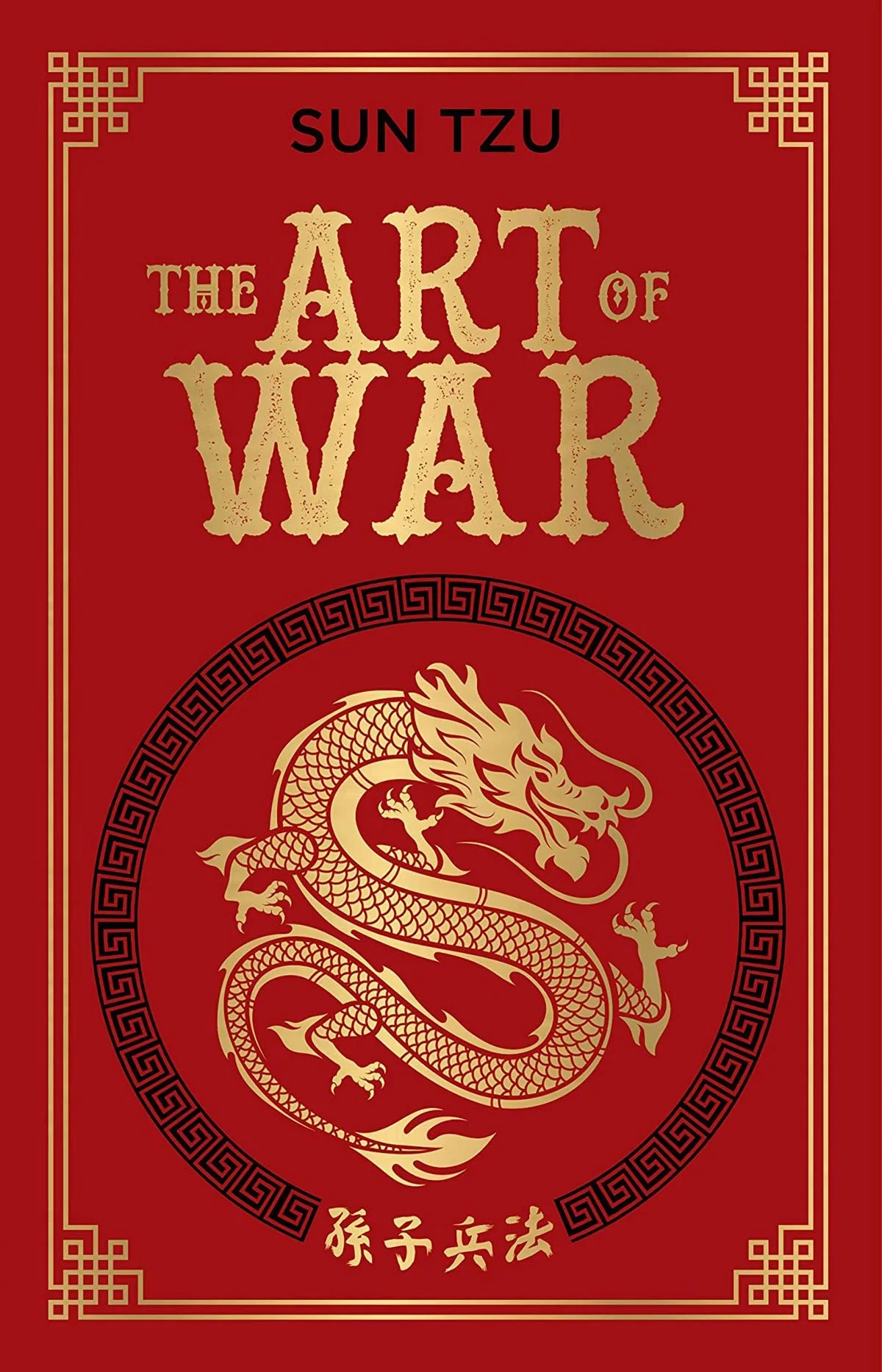
The oldest known strategic framework. Thirteen chapters on warfare that became the foundation for how the world thinks about strategy — in military, business, and life.
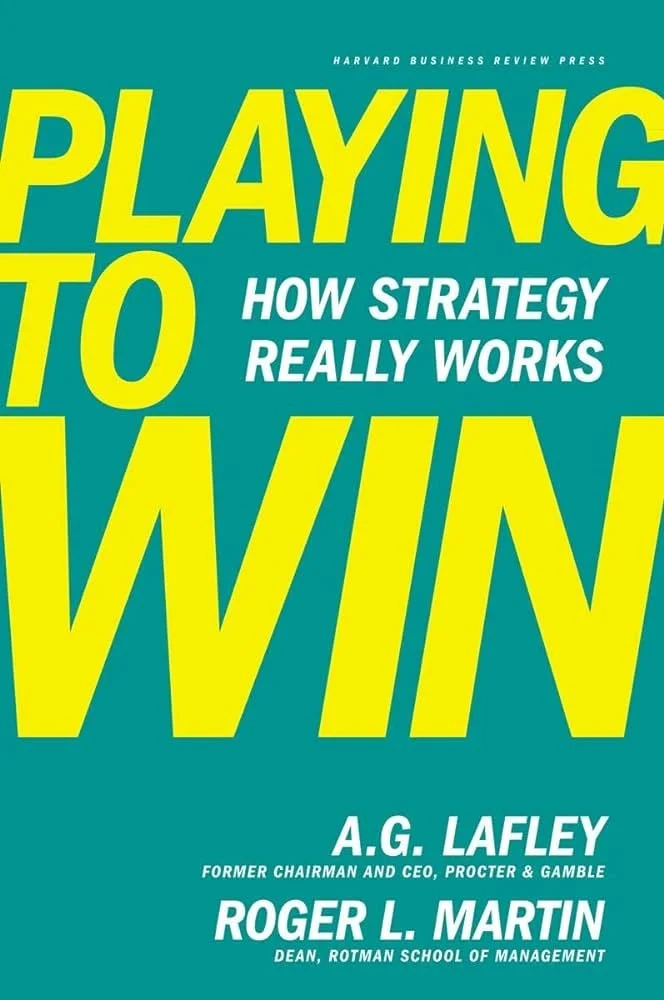
Roger Martin's model for what strategy actually means, the Strategic Choice Cascade for winning, and why a plan is not a strategy.
A side-by-side comparison of the original 1979 framework and Porter's own 2008 update — what changed, what didn't, and why it matters.