
Notebook
Welcome to my student notebook, where I document the ideas behind strategy, game theory, and how people make decisions in competitive situations.
This space is a growing collection of insights and frameworks I noted and gathered, supported with AI to help structure, expand, and challenge my understanding.

A game where you don't need to dominate the board to win — you survive long enough for your opponent to make a mistake. The game that teaches strategy under uncertainty.

A game about pulling blocks from a tower without causing it to collapse — even as you build it higher. The only game where every player contributes to the same structure and the same destruction.
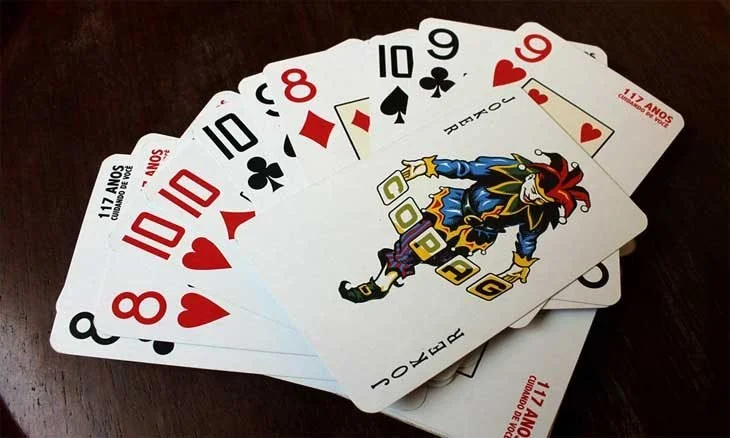
The most popular card game in Kuwait and the Gulf — a team-based trick-taking game where bidding is a promise to your partner, the Jokers bend the hierarchy, and every trick is a test of trust, timing, and reading the table.
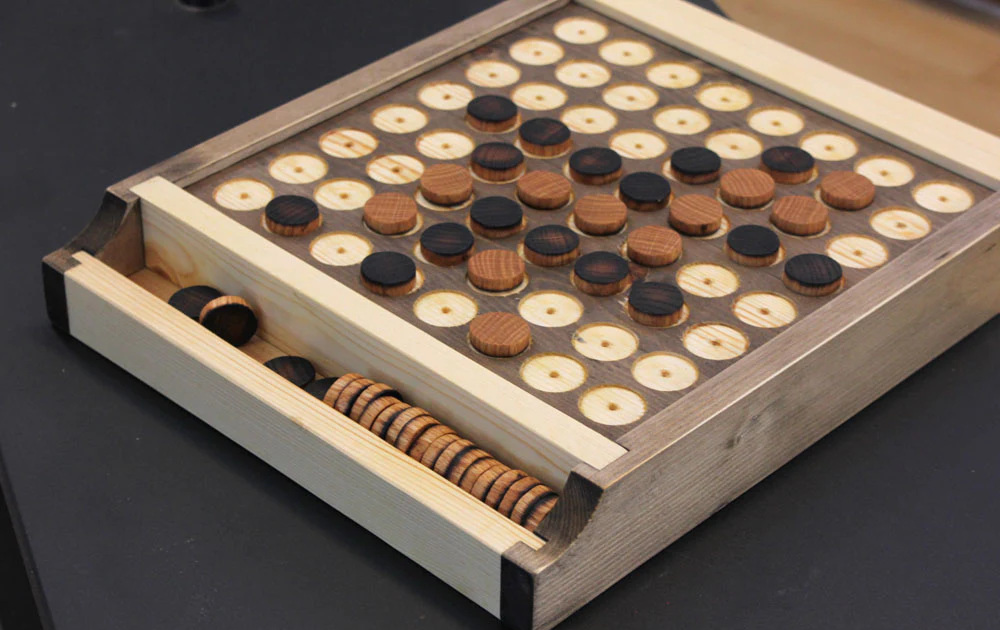
A deceptively simple game where the player who appears to be losing through the midgame often wins — because the current scoreboard is a misleading indicator of who is actually ahead.

A two-player military game where all pieces are hidden — you don't know the enemy's ranks until you attack. The game that teaches intelligence gathering through controlled engagement and the art of deception.
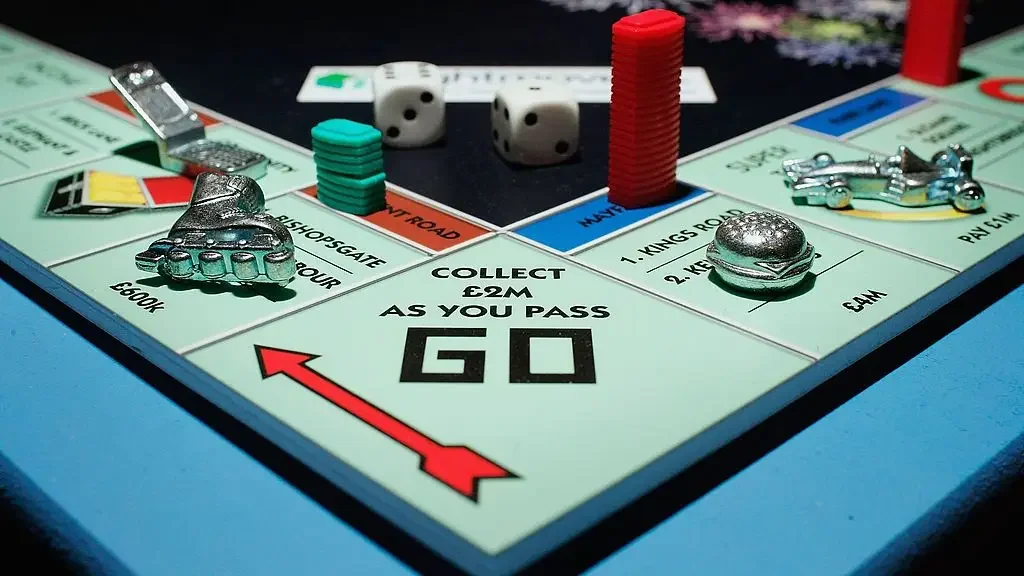
A game about acquiring assets, managing liquidity, and understanding that the player who goes broke last wins — the most misunderstood strategy game in history.
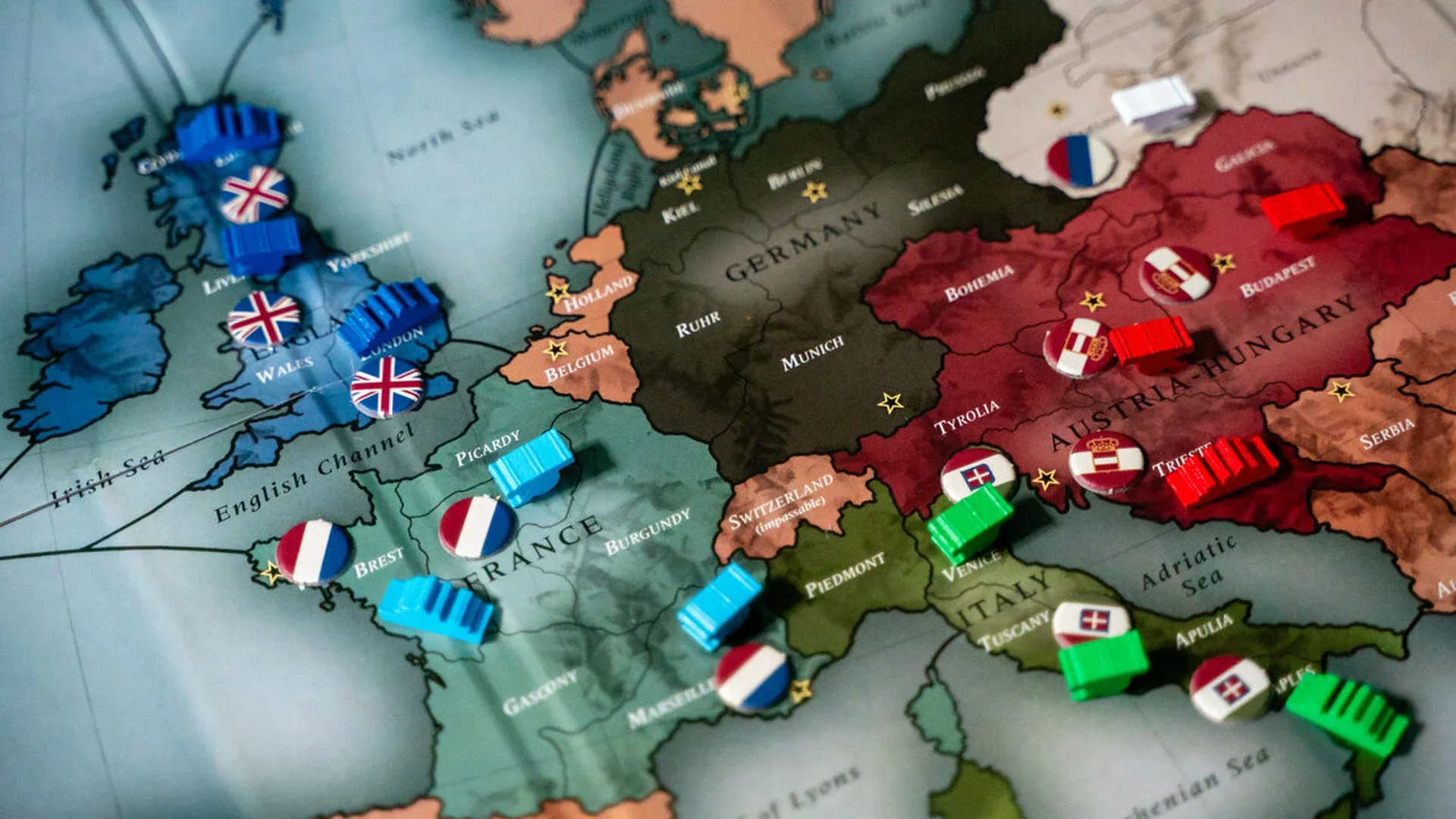
A game with zero randomness where every outcome is determined by negotiation, alliance, and betrayal — the most psychologically intense board game ever created.

A partnership card game where you cannot see your partner's hand but must coordinate strategy through a highly constrained bidding language — the game that teaches how to act together when you can't share everything you know.

A game of incomplete information where victory comes from reading people, managing risk, and knowing when to fold — not a card game played by people, but a people game played with cards.
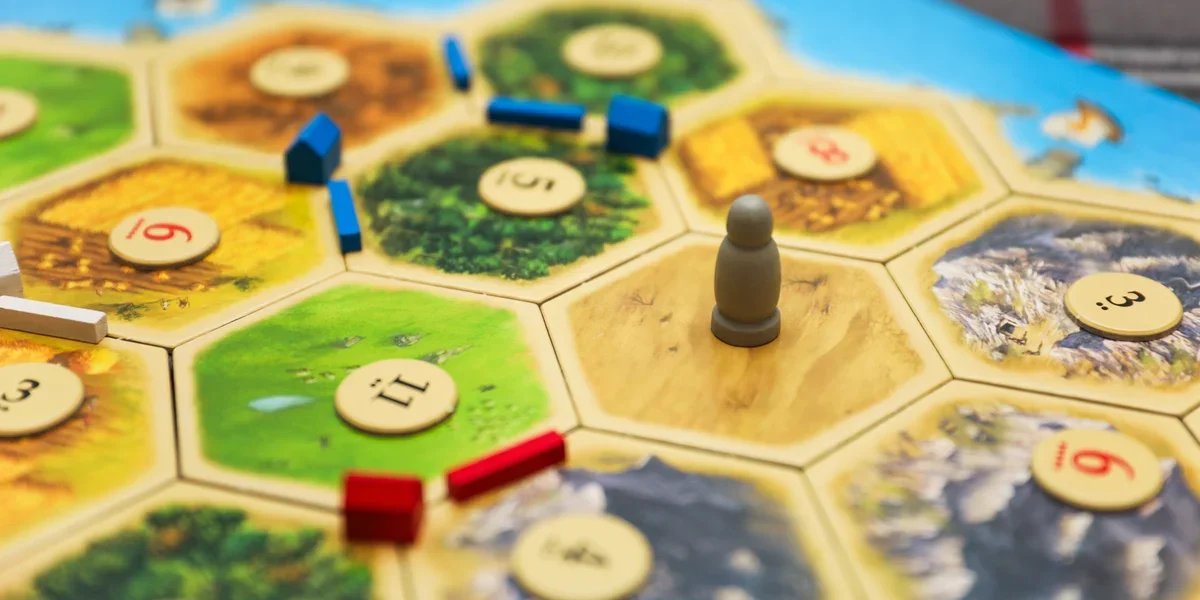
A game about expanding across the board, building settlements, and controlling resources — where no player can win without trading, making it the most realistic model of market economics in any popular board game.
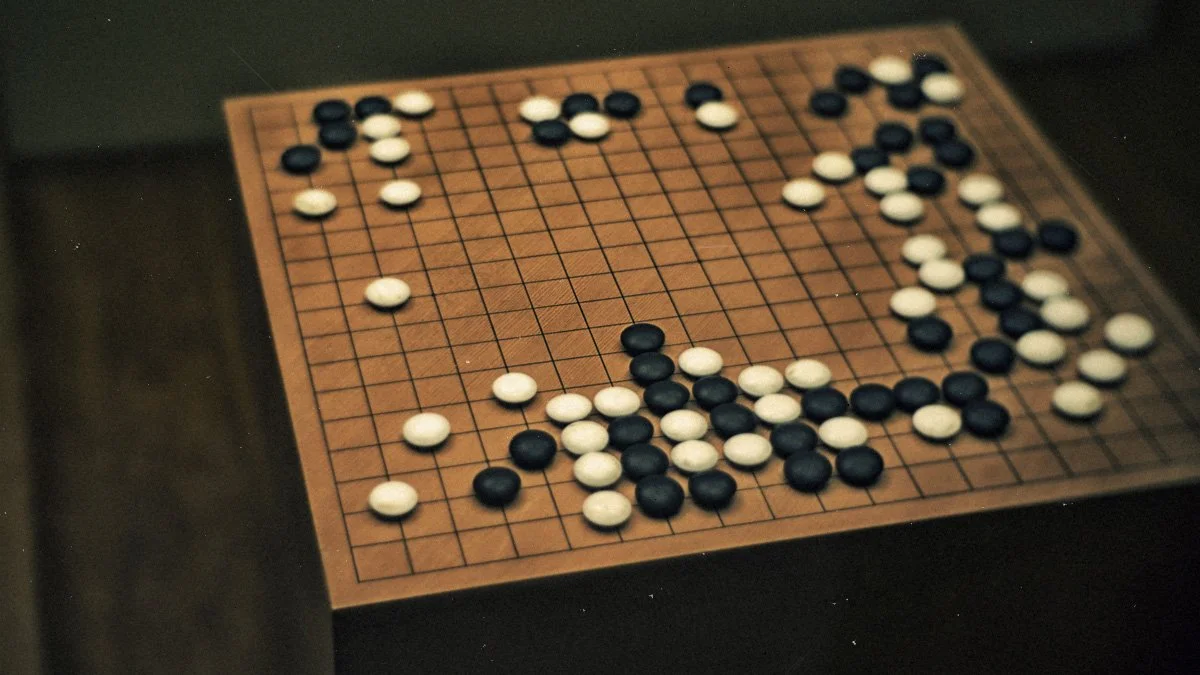
A game that avoids direct confrontation, decisive battles, or conquest — building positions through influence and connection rather than destruction.
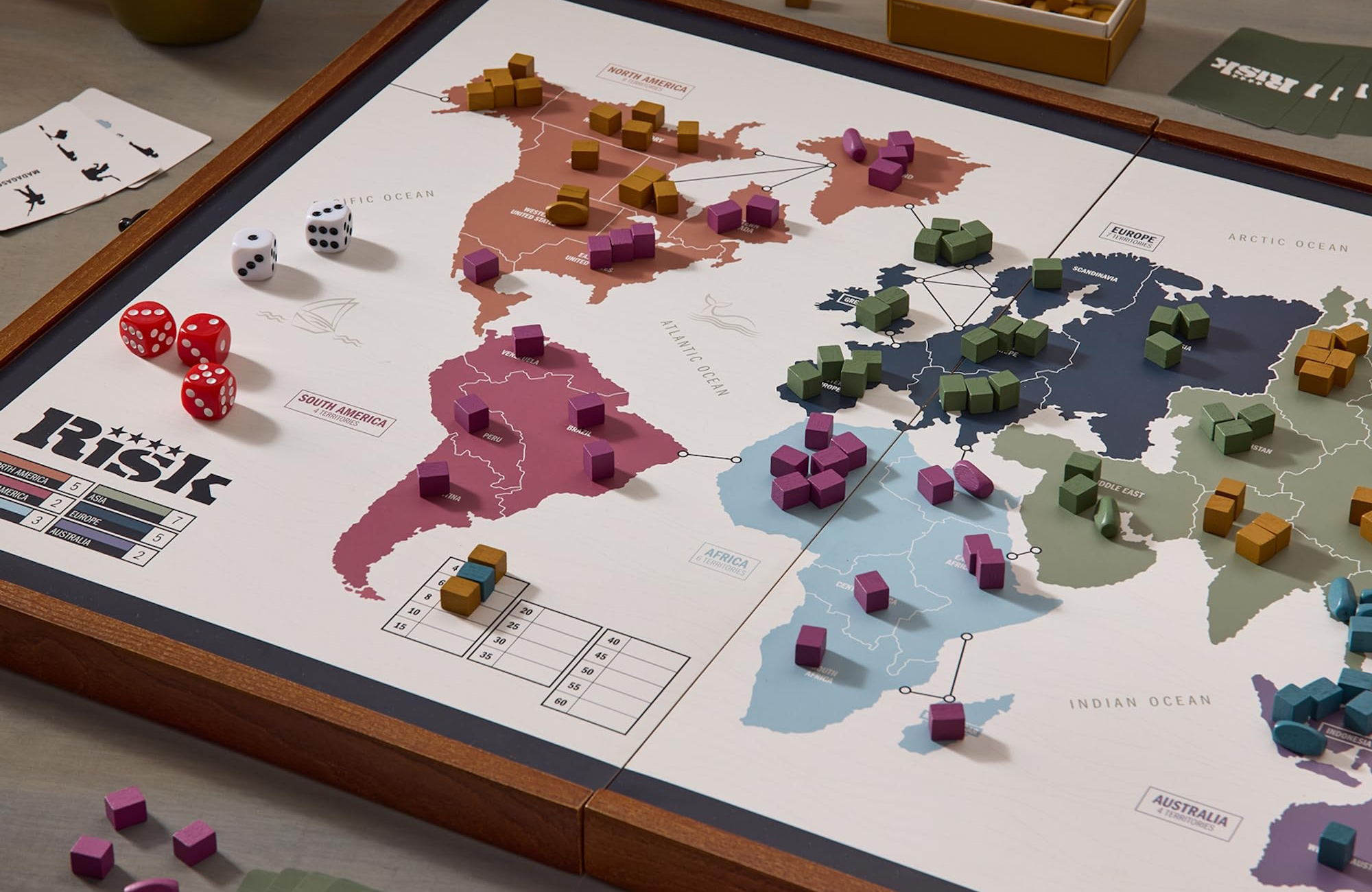
A game about controlling the board and removing opponents before the map turns against you — the most openly aggressive strategy game in the collection.

A game of complete information where victory comes through positional advantage, calculated sacrifice, and the conversion of small edges into decisive outcomes.