
The Art of Strategy
The Art of Strategy takes game theory out of academic journals and into the decisions you face every day. Dixit — Princeton’s most celebrated game theory professor — and Nalebuff — Yale strategist and co-founder of Honest Tea — use stories from business, sports, politics, history, and popular culture to show that nearly every interaction with another thinking person has a game-theory structure.
Strategies of War
33 strategies across 5 categories of warfare — self-directed, organizational, defensive, offensive, and unconventional — each with key actions, historical figures, and implications for business and life.
Strategies of Power
A strategic framework for understanding how power is acquired, maintained, and lost — drawn from 3,000 years of history, biography, and philosophy.
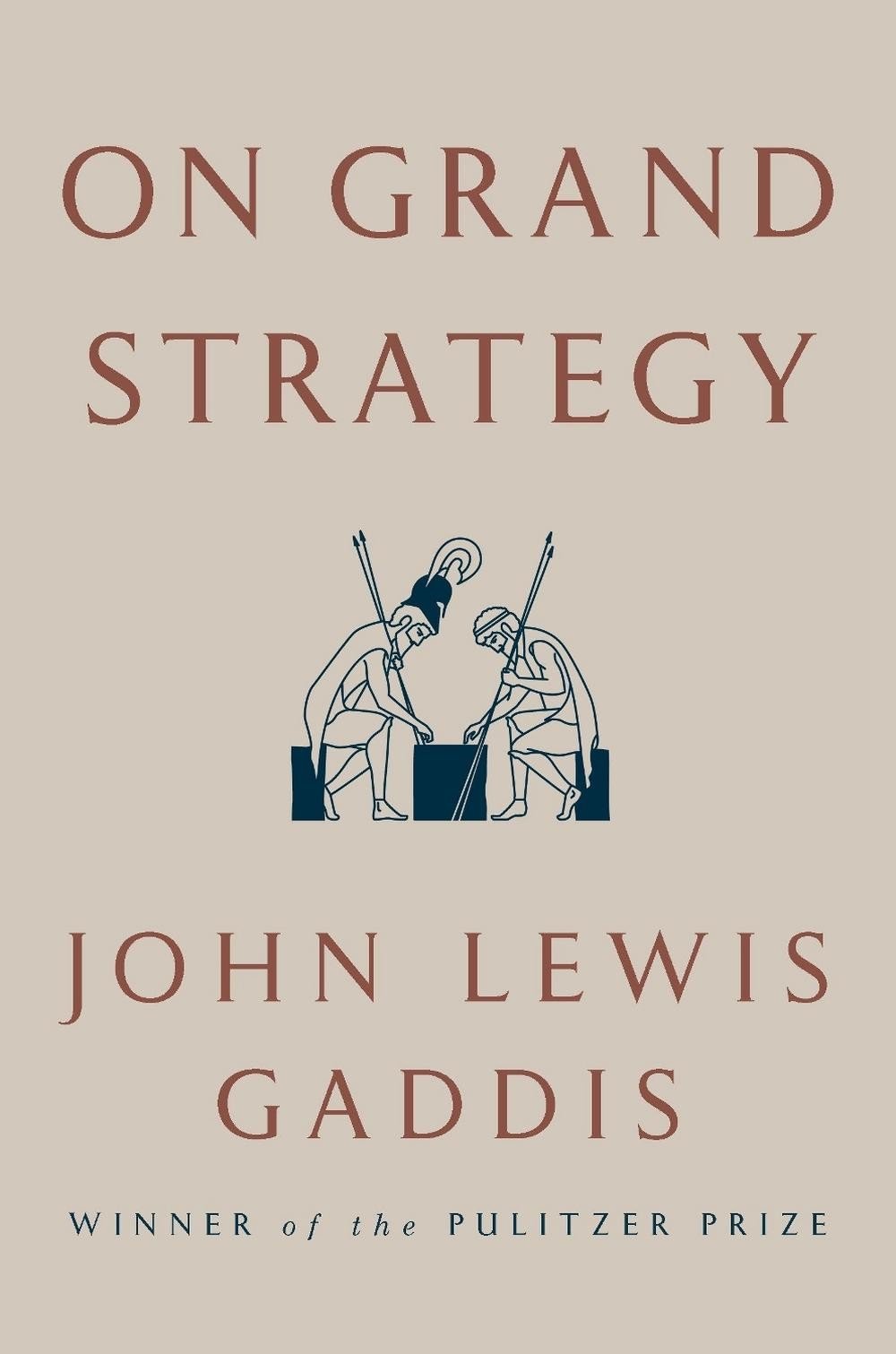
Foxes & Hedgehogs
Foxes, hedgehogs, and the art of aligning unlimited aspirations with limited capabilities — across 2,500 years of history.
Siyasatnama: The Book of Government
The Islamic world's answer to Machiavelli — written 400 years before The Prince — by the most powerful vizier in history: a 30-year operator who ran the Seljuk Empire from Afghanistan to Egypt.
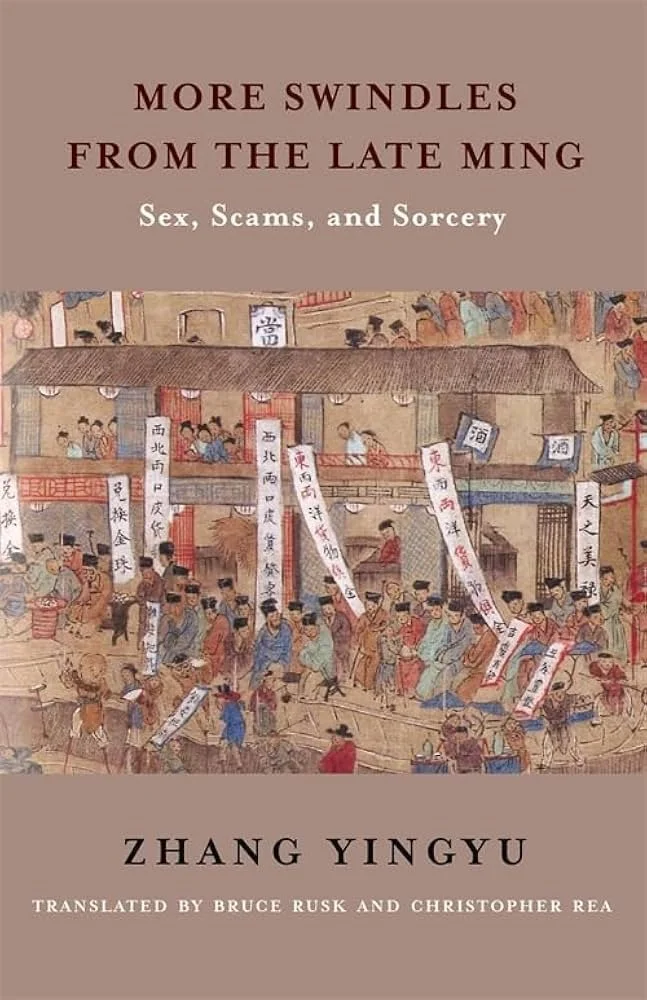
The Book of Swindles
The first Chinese collection devoted entirely to fraud — eighty-four tales of criminal ingenuity across twenty-four categories of deception, compiled during the commercial explosion of the late Ming dynasty.
The Thirty-Six Stratagems
An anonymous Chinese essay on deception, cunning, and survival — the practical companion to Sun Tzu's Art of War, compiled from centuries of warfare, court politics, and folk wisdom.
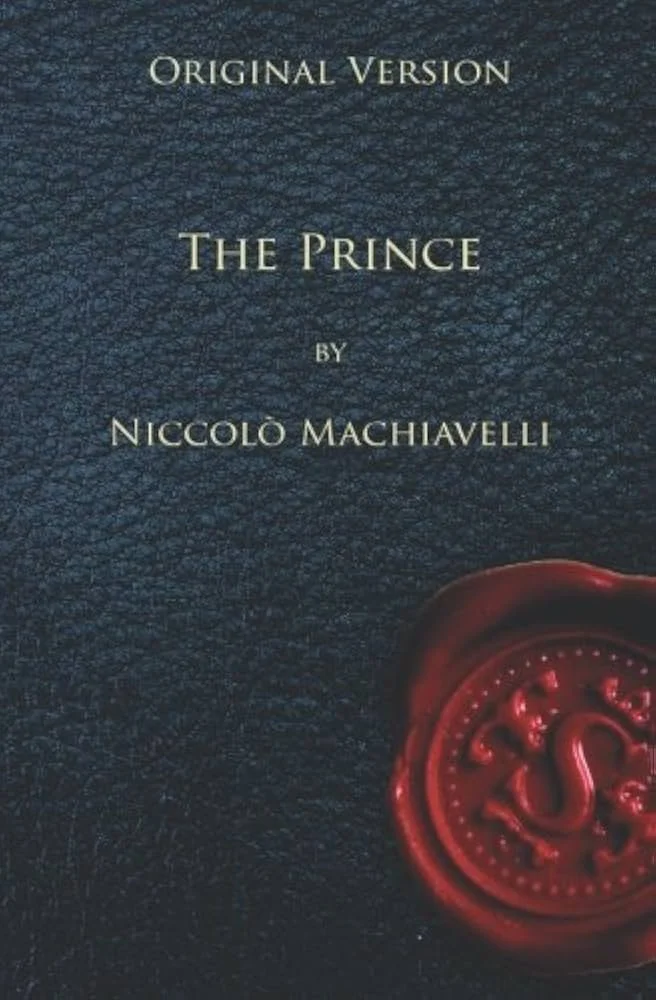
Machiavelli: Power & Strategy
Machiavelli never wrote a strategy framework. But The Prince and the Discourses contain a complete model for how power is attained, held, and lost — reconstructed here from his core concepts.
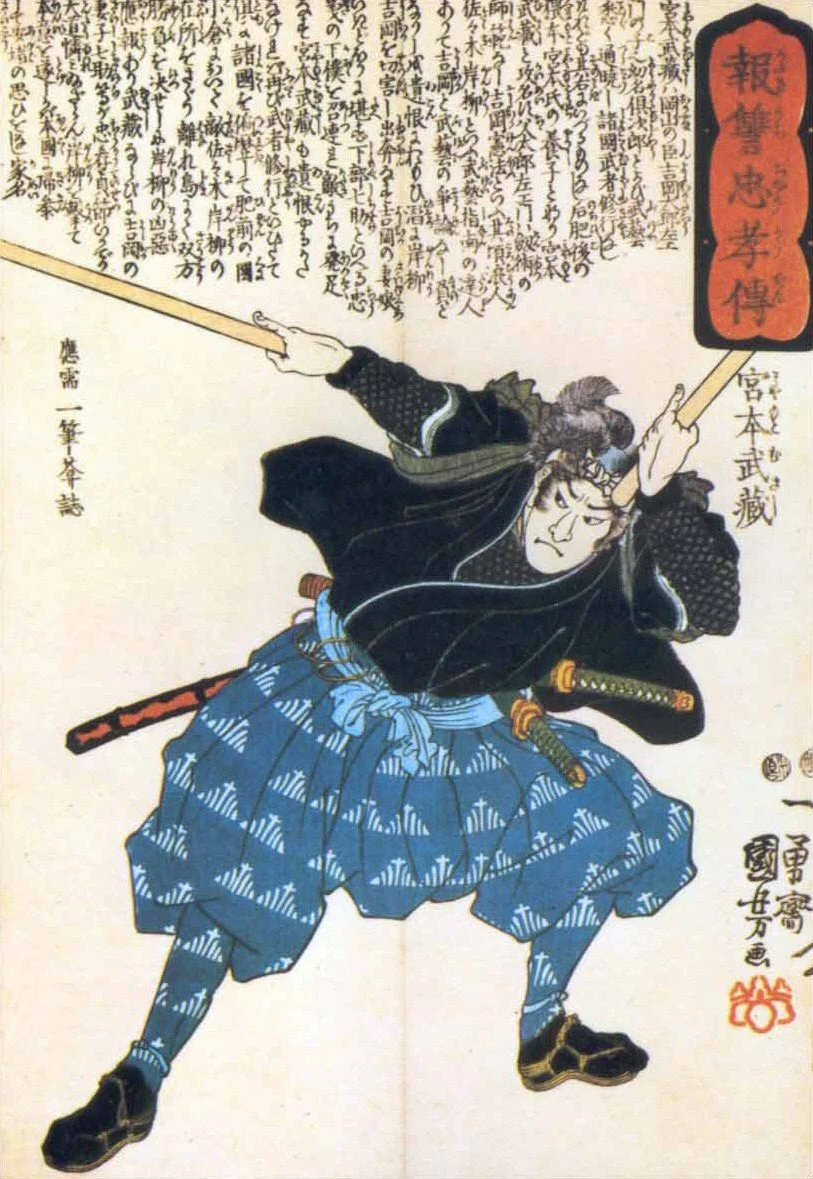
The Book of Five Rings
The strategy model of Japan's greatest swordsman — undefeated in over 60 duels. What it means to be a "strategist," the five scrolls as a framework, and the Dokkōdō as its final distillation.
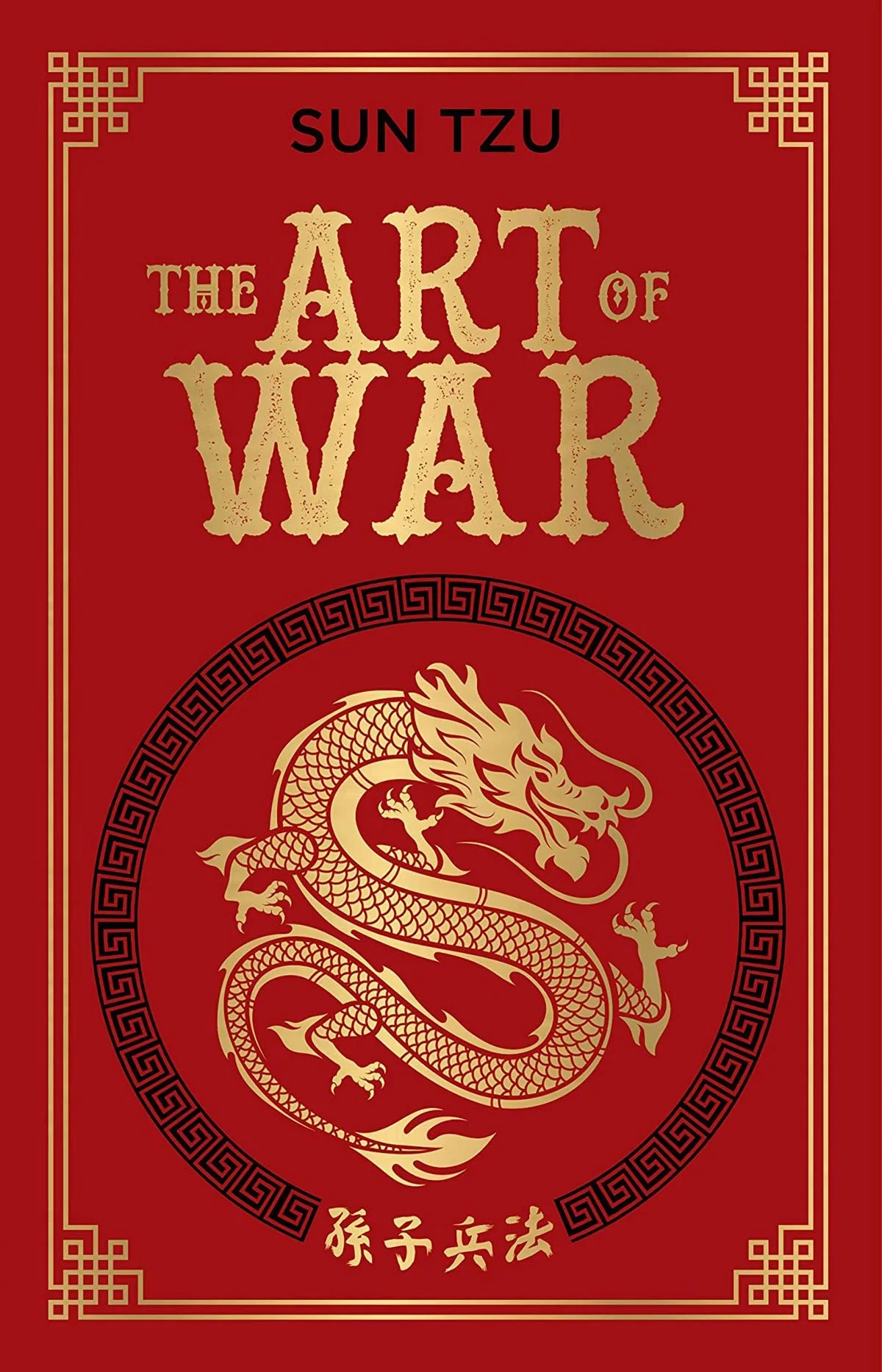
The Art of War
The oldest known strategic framework. Thirteen chapters on warfare that became the foundation for how the world thinks about strategy — in military, business, and life.
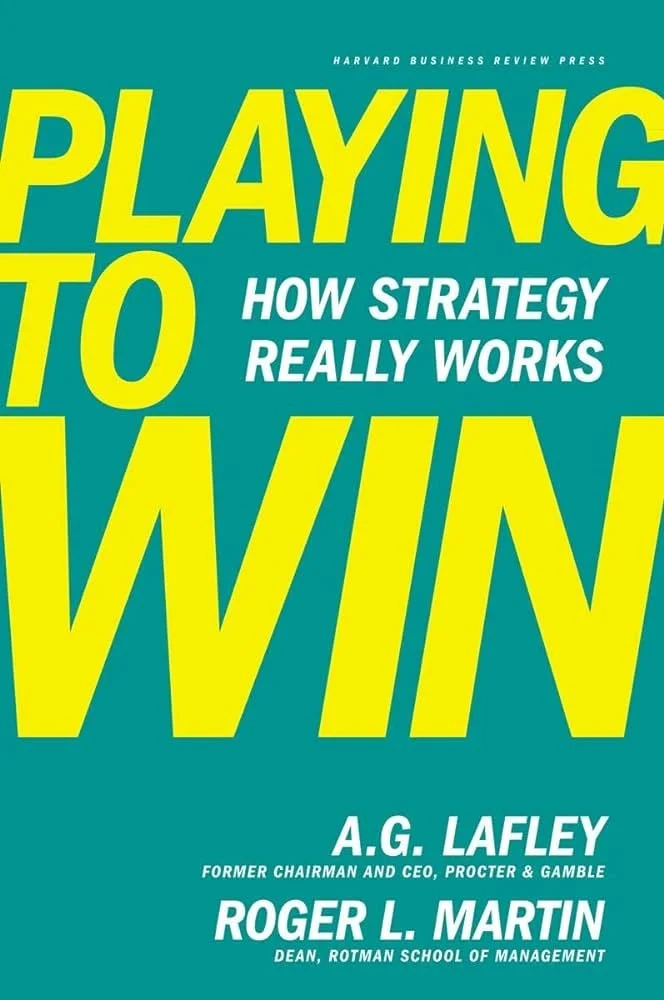
Strategy as Choice
Roger Martin's model for what strategy actually means, the Strategic Choice Cascade for winning, and why a plan is not a strategy.
The Five Forces
A side-by-side comparison of the original 1979 framework and Porter's own 2008 update — what changed, what didn't, and why it matters.